
Let’s be honest. Most networking apps feel like work. You update your profile, send connection requests into the void, and maybe, just maybe, get a reply. It’s transactional. It can be, well, a bit of a slog.
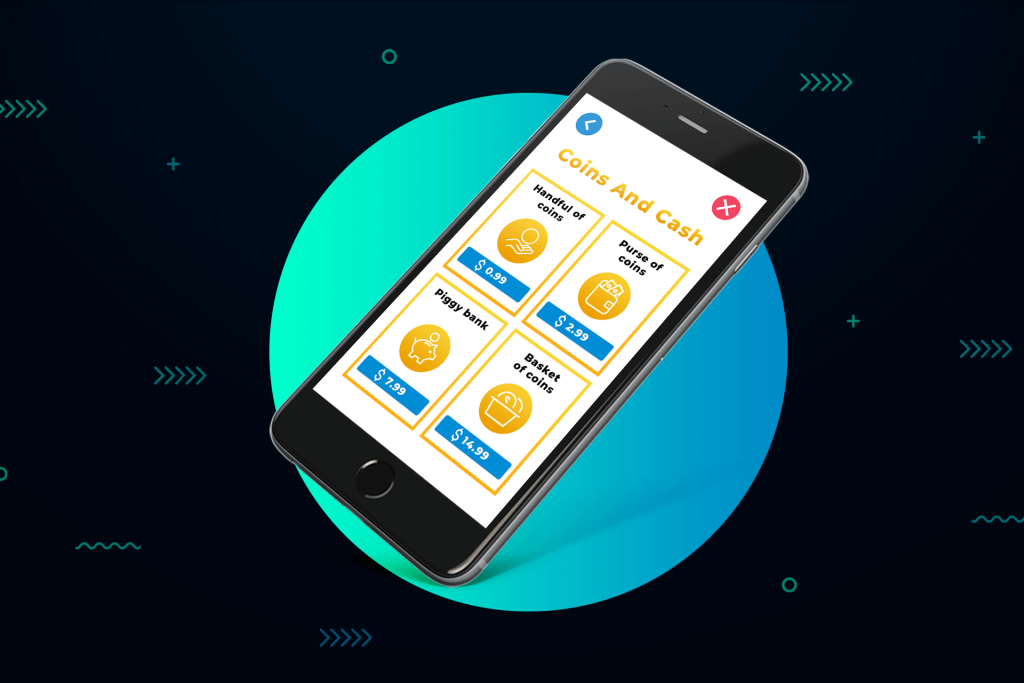
But what if it felt more like a game? Not in a trivial way, but in a way that makes building professional relationships genuinely engaging—even fun. That’s the power of gamification. It’s not about turning LinkedIn into a slot machine. It’s about using game-like mechanics to tap into our innate desires for achievement, recognition, and progression.
Here’s the deal: when done right, gamification techniques for user engagement can transform a static directory into a vibrant community. Let’s dive into the mechanics that make people want to come back.
The Core Game Mechanics of Connection
Think of your favorite game. Any game. It likely uses a few foundational elements that keep you hooked. These same elements can be woven into the fabric of a networking platform.
1. Points, Badges, and Leaderboards (The PBL Trio)
The classic start. But the key is depth.
- Points (Experience or “Karma”): Award points for meaningful actions. Not just “profile viewed,” but “article shared,” “question answered in a forum,” or “introduction made between two connections.” This turns vague networking goals into tangible, rewarded behaviors.
- Badges (Achievements): These are the trophies on the shelf. “First Connection,” “Community Mentor,” “Event Maven,” “Top 10% Profile.” Badges fulfill our need for status and tell a story about the user’s journey. They’re social proof, baked right in.
- Leaderboards: Use these carefully. A global “most connections” leaderboard can encourage spam. Instead, try segmented leaderboards: “Top Contributors This Week in ‘Digital Marketing’,” or “Most Helpful in Your City.” This fosters healthy competition within relevant micro-communities.
2. Meaningful Progress Bars & Onboarding Quests
That empty profile bar? It’s a low-level anxiety trigger. But a well-designed progress system feels like a helpful guide. Frame it as “Profile Strength” or “Network Potential.” Each step—adding a bio, skills, a project—fills the bar and unlocks a small reward, maybe a badge or increased visibility.
Better yet, start new users with a simple “onboarding quest.” “Quest 1: Connect with 3 people in your industry.” “Quest 2: Post a comment on a discussion.” It breaks the intimidating “network!” command into achievable, game-like tasks. It’s a nudge, not a shove.
Advanced Play: Social Dynamics and Investment
Once you have the basics, you can layer in more sophisticated techniques that really build stickiness.
The Power of Social Engagement Loops
This is where the magic happens. You want to create self-perpetuating cycles of interaction. For example:
User posts a thoughtful industry insight → Others “upvote” or “applaud” it (not just “like”) → The post rises in visibility, earning the creator points and a “Thought Leader” badge → This recognition motivates the creator and others to post more quality content. The feedback loop is immediate and rewarding.
Ownership & Investment (“The IKEA Effect”)
People value what they help build. Allow users to have a stake. This could be:
- Customizable profile spaces or “digital business cards.”
- The ability to create and moderate niche community groups.
- Letting users suggest and vote on new app features or discussion topics.
When a user has poured time into curating their space or growing their group, they’re far less likely to abandon the app. They’re invested.
Real-World Examples & Pitfalls to Avoid
Some apps are already doing this well, in subtle ways. Bumble Bizz uses a “first move” timer and a “SuperSwipe” feature—classic game mechanics from its dating roots, repurposed for professional urgency. Other platforms use “streaks” for daily engagement or “challenges” like “30 Days of Networking.”
But the line is thin. The biggest mistake? Rewarding the wrong behavior. If you give the most points for mindlessly connecting with everyone, you’ve gamified spam. If your leaderboard only values quantity of posts, you’ve incentivized noise.
| Goal | Good Gamification | Poor Gamification |
| Increase Profile Completeness | Progressive “Profile Strength” bar with tips; badge for “All-Star Profile” | Nagging emails with threats of lower visibility |
| Boost Quality Content | “Top Contributor” badges per topic; points for posts with high engagement time | Points for every post, regardless of length or value |
| Encourage Reciprocal Networking | Badge for “Connector” after making 5 successful introductions | Public leaderboard for “Most Connection Requests Sent” |
Making It Feel Human, Not Robotic
This is the crucial part. The gamification layer should feel like a friendly coach, not a dystopian point-tracker. Use warm, encouraging language. “You’re on a roll!” instead of “Action Completed.” Celebrate milestones: “You just earned the ‘Network Navigator’ badge!”
Allow for serendipity and rest, too. Not every interaction needs a point value. Sometimes, the best connections happen in the unstructured spaces between the “game.” The mechanics should facilitate those moments, not overshadow them.
Ultimately, the most powerful engagement driver in any networking app is genuine human value. Gamification is just the catalyst—the spark that makes the initial friction disappear and turns a chore into a choice. It’s about designing for the human desire to grow, be seen, and belong to a community.
So the next time you brainstorm app features, ask: are we building a tool, or are we building an experience? The difference, often, is just a bit of play.
More Stories
AI-Driven Network Automation for IT Teams: The Future Is Already Here
Networking for Career Resilience and Navigating Non-Linear Professional Paths
Data Sovereignty and Privacy-Conscious Networking Tools and Practices