
You know that feeling when you walk into a room and the lights just… adjust? Or when your morning playlist starts as you pour your coffee, without you ever touching a phone? That’s ambient computing in action. It’s the quiet, almost magical shift from technology we command to technology that anticipates.
We’re moving beyond screens and keyboards. The future isn’t about a better app icon; it’s about no icon at all. Let’s dive into how ambient computing and invisible interfaces are reshaping our world, often without us even noticing.
What Exactly Is Ambient Computing? (It’s Simpler Than It Sounds)
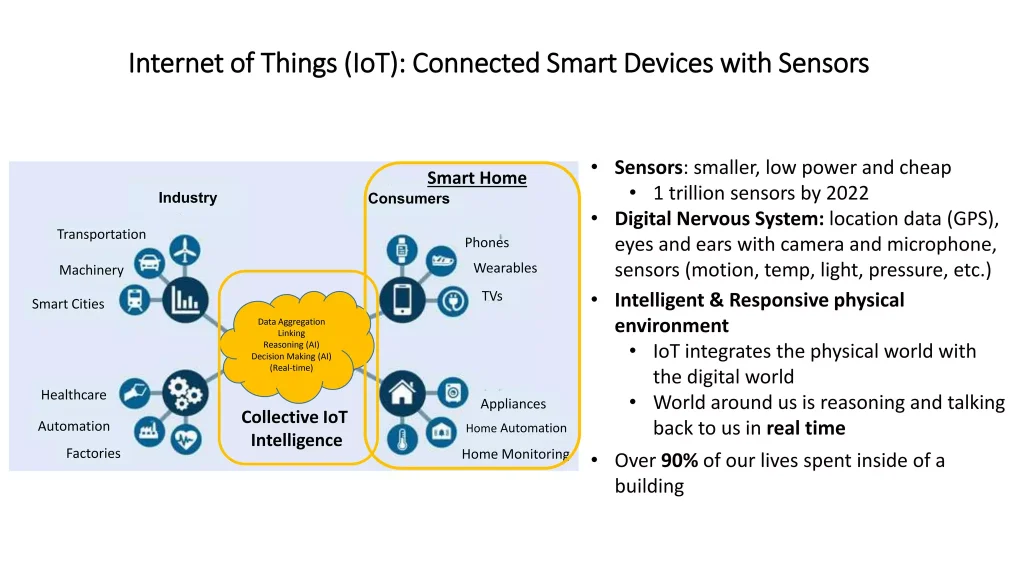
Think of it like electricity. You don’t think about the electrical grid when you flip a switch. You just expect light. Ambient computing aims for that same level of effortless, contextual service. It’s a distributed network of smart devices, sensors, and AI that works together in the background to assist you.
The core idea? Technology should adapt to us, not the other way around. It’s less about “user interface” and more about “human context.” Your environment itself becomes the interface.
The Pillars of an Ambient World
This shift doesn’t happen by magic. It’s built on a few key foundations:
- Ubiquitous Sensors: Tiny, cheap sensors everywhere—in your thermostat, your watch, even your fridge—constantly gathering data about light, motion, sound, and presence.
- Powerful, Distributed AI: On-device and cloud-based AI that makes sense of all that sensor data in real-time. It learns your routines, your preferences, your quirks.
- Seamless Connectivity: Rock-solid, low-latency networks (like 5G and advanced Wi-Fi) that let all these devices talk without a hiccup.
- Natural Interaction Models: Voice, gesture, even predictive automation. The goal is to reduce “friction” to almost zero.
The Disappearing Act: From GUI to No-UI
We went from command lines (scary!) to graphical user interfaces, or GUIs (icons and mice—much better!). Then came touchscreens (intuitive!). The next logical step? Well, it’s the removal of the dedicated interface altogether. This is often called “No-UI” or “invisible UI.”
It doesn’t mean there’s no design. In fact, the design challenge is immensely harder. You’re designing for behavior, for anticipation, for context. The “interface” might be the way a smart speaker’s light gently pulses when it’s listening, or the way your car pre-warms the seats on a cold morning because it knows your calendar says “office.”
Real-World Examples You Might Already Use
Honestly, you’re probably already living with bits of this future. Here’s where ambient computing is already making waves:
| Domain | Example | The “Invisible” Part |
| Home | Smart thermostats (Nest, Ecobee) | Learns your schedule and adjusts temps for comfort & savings automatically. |
| Health & Wellness | Wearables (Apple Watch, Fitbit) | Background heart-rate monitoring, fall detection, sleep stage tracking. |
| Automotive | Modern infotainment & safety systems | Keyless entry/personalized profiles, predictive maintenance alerts, automatic emergency braking. |
| Retail | Amazon Go stores | You just walk out. Sensors and cameras track your selections and charge you seamlessly. |
The Good, The Tricky, and The Questions We Can’t Ignore
Like any transformative tech, this comes with a mixed bag. The benefits are compelling—think increased convenience, accessibility for many, and potentially huge gains in energy efficiency. But the concerns? They’re significant.
The Promise: A More Intuitive Life
Imagine a world where your tech handles the mundane. It could free up mental space, reduce daily friction, and even enhance safety. For an aging population, ambient assistants could enable greater independence. In workplaces, it could streamline complex tasks. The potential is, frankly, enormous.
The Peril: Privacy, Dependency, and the “Black Box”
Here’s the deal, though. To be anticipatory, systems need data. Lots of data. This raises huge questions:
- Privacy: Who owns the data about how you live in your own home? How is it secured?
- Transparency: When an interface is invisible, how do you know why it made a decision? If your smart lock doesn’t open, is it broken, or did the AI misjudge something?
- Over-Reliance: Do we risk losing basic skills or becoming too dependent on these background systems?
It’s a delicate balance. The best ambient tech should feel helpful, not creepy. Empowering, not controlling.
What’s Next? The Path to a Truly Ambient Future
We’re in the early, clunky stages. Today’s smart homes often feel like a collection of disconnected gadgets that require too much manual setup. The true ambient future requires a level of interoperability and intelligence that’s still emerging.
Key trends to watch include:
- The Matter Standard: A new universal language for smart home devices to finally work together seamlessly.
- Advancements in Context-Aware AI: Systems that understand not just your command, but the time of day, who’s in the room, and your emotional state (from tone of voice, perhaps).
- Edge Computing: Processing data on the device itself (like your speaker) for faster response and better privacy, instead of sending everything to the cloud.
That said, the biggest hurdle isn’t technical. It’s about trust. And design ethics. Companies that prioritize user privacy and clear, consensual data practices will likely lead the next phase.
Embracing the Fade
The rise of ambient computing and invisible interfaces isn’t about technology becoming more powerful in a showy way. It’s about it becoming more humble. More respectful of our attention. The most profound technology, as the saying goes, is that which disappears. It weaves itself into the fabric of everyday life until it is indistinguishable from it.
We’re not quite there yet. The seams still show, and the conversations about privacy and control are more critical than ever. But the direction is clear. The goal is a world where technology supports us not by demanding our focus, but by quietly amplifying our human experience. The future won’t be on a screen. It will just be… in the air.


More Stories
Ambient Computing in Healthcare Wearables: When Your Wrist Starts Thinking Ahead
Synthetic Data Generation for Niche Industries: Unlocking the Unseen
Low-code platforms for non-profit organizations: Building impact without the IT headache