
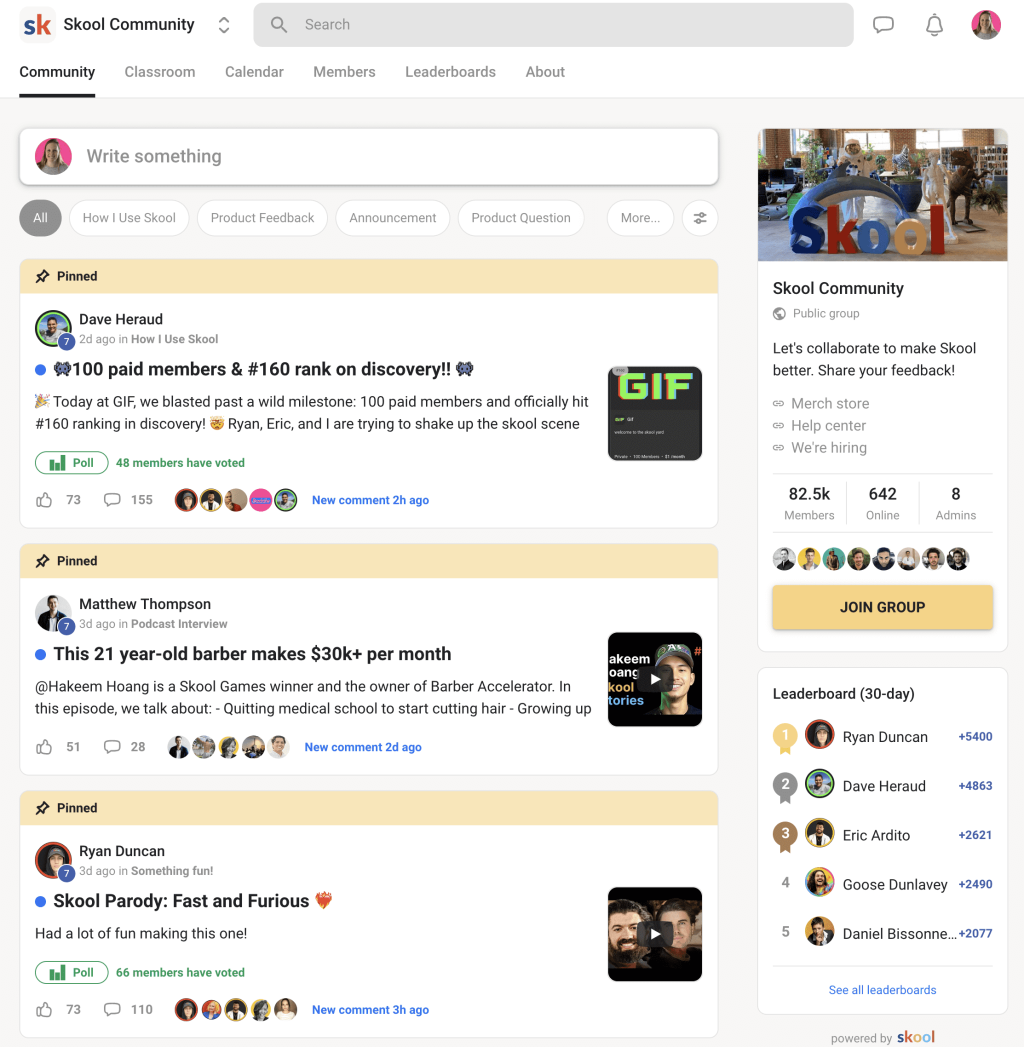
Let’s be real for a second. Traditional networking can feel like shouting into a void at a crowded conference hall. You hand out cards, you smile, you nod — but honest connections? They’re rare. That’s where micro-communities and digital neighborhoods come in. They’re like your local coffee shop, but online. Cozy, specific, and full of people who actually get your niche.
You know what I mean? Think about it. A Facebook group for indie game developers in the Pacific Northwest. A Slack channel for vegan bakers who hate gluten. A Discord server for vintage motorcycle restorers who also love Python coding. These aren’t just communities — they’re digital neighborhoods. And they’re goldmines for niche networking.
What Exactly Are Micro-Communities?
Micro-communities are small, focused groups — usually under 500 people — built around a hyper-specific interest, profession, or identity. They’re not the big, noisy subreddits with millions of users. They’re more like… a book club that meets in someone’s living room. Intimate. Trustworthy. And way less overwhelming.
Digital neighborhoods take this a step further. They’re online spaces — think dedicated platforms like Circle, Geneva, or even a private Twitter list — that mimic the feel of a physical neighborhood. You see the same faces. You share local (or niche) news. You develop inside jokes. You build actual relationships, not just LinkedIn connections.
Why Big Networks Feel Empty
Honestly? Most professional networks are like stadiums. Thousands of people, but you can’t hear anyone. You’re just a number. In a micro-community, you’re a name. Someone remembers you missed last week’s thread about SEO for pet stores. That matters. It’s human.
Here’s the deal: when you’re in a group of 50 people who all geek out over the same obscure thing, trust forms faster. You don’t need to explain your jargon. You don’t need to justify your passion. You just… connect.
Finding Your Digital Neighborhood
So how do you find these micro-communities? Well, it’s not always easy. They’re often hidden — private, invite-only, or tucked away in forgotten corners of the internet. But that’s part of the charm. They reward the curious.
- Search with intent. Try keywords like “Slack group for [your niche]” or “Discord community [industry].”
- Look at Substack. Many newsletter writers run private chat groups for subscribers. That’s a micro-community right there.
- Check out niche platforms. Mighty Networks, Circle, and even Telegram channels are hotspots.
- Ask your existing network. A quick DM to a peer: “Hey, any small groups you’d recommend?” works wonders.
And sure, you might stumble into a few dead ends. A group that’s too quiet. A chat that’s just spam. But when you find the right one? It clicks. It feels like coming home.
The Networking Shift: From Broadcasting to Belonging
Traditional networking is a broadcast. You’re sending signals — “Hire me,” “Buy my thing,” “Look at my expertise.” Micro-communities flip that. They’re about belonging. You show up, you help, you share a laugh. The business stuff? It happens naturally.
I’ve seen it happen in a group for freelance writers who specialize in sustainability. Someone posts a question about pitching a magazine. Another member shares a template. A month later, they’re co-authoring a guide. That’s niche networking in action — no cold emails, no awkward DMs.
Analogies That Stick
Think of it like a farmers’ market versus a supermarket. The supermarket has everything, but you’re anonymous. The farmers’ market is smaller. You know the baker’s name. You chat about the weather. You leave with a recommendation for the best tomatoes. Micro-communities are that farmers’ market — for your career.
Or maybe it’s like a campfire. Big networks are stadium lights — bright but cold. A micro-community is a campfire. You can feel the warmth. You can see faces clearly. You can pass around stories.
Building Your Own Micro-Community (Yes, You Can)
Maybe you can’t find the right group. So build one. It’s not as hard as it sounds. Start small — like, really small. Invite five people from your niche who you admire. Use a free tool like Telegram or a private subreddit. Set a tone.
Here’s a rough blueprint:
- Define the niche. “Digital marketers who use Notion” is better than “marketers.”
- Set a simple rule. No self-promotion for the first month. Just sharing and helping.
- Be the host. Post a question every week. Share a resource. Keep the fire burning.
- Let it grow slowly. 20 engaged members > 200 lurkers.
I once started a tiny WhatsApp group for content strategists who also love sci-fi. We had 12 people. We shared book recs, job leads, and bad puns. Two years later, three of them are my closest collaborators. That’s the power of a digital neighborhood.
Niche Networking in Action: A Quick Table
Let’s break down how different micro-communities can serve different goals. Here’s a little table — because sometimes our brains need structure.
| Niche | Micro-Community Example | Networking Outcome |
|---|---|---|
| Indie SaaS founders | Private Slack group for bootstrapped B2B tools | Co-marketing partnerships, beta testers |
| UX designers in healthcare | Circle community with weekly design critiques | Job referrals, portfolio feedback |
| Organic farmers in the Midwest | Signal chat for crop rotation tips | Supplier introductions, shared equipment |
| Freelance illustrators | Discord server with monthly portfolio reviews | Commission referrals, collab projects |
See the pattern? The more specific the group, the more useful the connections. It’s not about quantity — it’s about relevance.
Pain Points and Pitfalls (Let’s Be Honest)
It’s not all sunshine and campfires. Micro-communities can get cliquey. Sometimes they die out. A group that’s too small might feel stagnant. And yeah, you might waste time in a few that go nowhere.
But here’s the thing: even a failed group teaches you something. You learn what doesn’t work. Maybe the niche was too narrow. Maybe the platform was clunky. That’s okay. You iterate.
Another pitfall? Over-commitment. Don’t join ten groups. Join two or three. Show up consistently. Be a good neighbor. That’s how you build real capital — social capital, not just a list of names.
Current Trends That Make This Even More Relevant
Right now, in 2025, people are exhausted by algorithmic feeds. They’re craving curated, human-scale interaction. That’s why platforms like Substack, Discord, and Circle are booming. Even LinkedIn is seeing a rise in smaller, invite-only groups. The trend is clear: smaller is better.
Also, remote work isn’t going away. Digital neighborhoods fill the water-cooler gap. They give you a sense of place in a world that feels… scattered. For niche networking, that’s a huge opportunity. You’re not just connecting — you’re creating a home base.
Wrapping It Up (Without the Fluff)
Look, networking doesn’t have to be a grind. It doesn’t have to feel like a sales pitch wrapped in a smile. Micro-communities and digital neighborhoods offer something better: a space where you can be your weird, specific self — and find others who appreciate that weirdness.
So go find your digital neighborhood. Or build one. Share a resource. Answer a question. Laugh at a bad joke. The connections you make there? They’ll outlast any business card you’ve ever handed out. Because they’re not just professional — they’re personal.
And honestly? That’s the whole point.

More Stories
Networking for Career Resilience and Navigating Non-Linear Professional Paths
Data Sovereignty and Privacy-Conscious Networking Tools and Practices
Strategic Networking for Career Pivots into Emerging Tech and Green Industries