
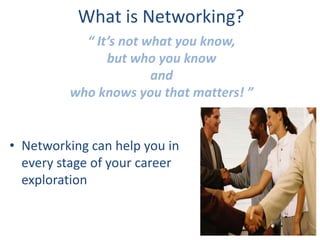
Let’s be honest—the career ladder? It’s more like a jungle gym these days. Or maybe a tangled vine. You climb sideways, you dangle upside down, you sometimes slip and grab onto a branch you didn’t even see coming. That’s the reality of a non-linear professional path. And honestly? It’s not a bad thing. But it requires a different kind of muscle—resilience. And the fuel for that muscle? Your network.
I’ve seen brilliant people freeze when their industry shifts. They think, “I’ll just update my LinkedIn and wait.” That’s not strategy. That’s hope. And hope is not a plan. The real plan is building a web of relationships that catch you when the floor drops—and also, you know, help you swing to the next platform.
Why the Old Career Map Is Obsolete
Remember when you thought you’d pick a major, get a job, and retire with a gold watch? Yeah… that’s gone. The average person now holds 12 to 15 jobs in their lifetime. And industries? They’re morphing faster than a TikTok trend. AI, remote work, gig economies—they’ve shattered the straight line.
Non-linear doesn’t mean chaotic, though. It means iterative. You take a role in marketing, then pivot to product ops, then freelance for a bit, then land in a leadership spot that didn’t exist five years ago. Each move builds on the last—but only if you’re intentional. And that’s where networking comes in. Not as a transactional tool, but as a safety net and a springboard combined.
Resilience Isn’t Just Mental—It’s Relational
We talk about resilience like it’s a personal trait. “She’s so resilient.” But that’s only half the story. True career resilience is relational. It’s knowing who to call when your department gets cut. It’s having a former colleague who whispers about a role before it’s posted. It’s asking a mentor, “Wait, what do you think I’m missing?”—and actually listening.
Here’s the deal: your network is your early warning system. When the market shifts, your contacts feel it first. They hear the rumors, they see the trends, they know which skills are suddenly hot. If you’re isolated, you’re the last to know. And being last? That’s expensive.
Shifting from “What Can I Get?” to “What Can We Build?”
The old networking advice was gross. “Collect business cards.” “Follow up in 24 hours.” It felt like sales. No wonder people hate it. But the new paradigm is different. It’s about mutual curiosity. You’re not pitching yourself; you’re exploring intersections.
Try this reframe: instead of “How can this person help me?” ask “What could we create together?” That could be a project, a referral, a shared insight—or just a coffee that reminds you you’re not alone. That shift in intention changes everything. People feel it. They respond to it.
Practical Moves for a Non-Linear Path
Okay, let’s get tactical. You’re in a weird spot—maybe between careers, or pivoting, or just feeling stuck. What do you actually do? Here are some moves that work. Not all of them. But some of them. Pick what fits.
- Reconnect with dormant contacts. That person from your first job? Send a note. Not a request—just a “saw this and thought of you.” It reopens a door without pressure.
- Join micro-communities. Big LinkedIn groups are noise. Find a Slack channel for your niche. A Discord for remote workers. A local meetup for your craft. Small groups = deep trust.
- Offer something specific. Instead of “happy to help,” say “I can review your portfolio’s UX flow.” Specificity is memorable.
- Do informational interviews—but reverse them. Ask younger professionals about their world. You’ll learn fresh trends and they’ll remember you as someone who listens.
- Update your “skills story” monthly. Write down what you did, not just your title. This helps you articulate your non-linear path when asked.
And hey, don’t underestimate the power of a simple check-in. A text that says, “Hey, thinking about your presentation last week—how did it go?” That’s gold. That’s relationship glue.
The “Weak Ties” Paradox
Here’s a weird truth: your best opportunities often come from acquaintances, not close friends. Sociologist Mark Granovetter called this “the strength of weak ties.” Your close circle thinks like you. They know what you know. But that distant contact? They move in different circles. They see openings you can’t see.
So, don’t just nurture your inner circle. Deliberately reach out to the periphery. The former classmate you barely knew. The vendor from a past project. The speaker you heard once. A quick, genuine message—no ask attached—can plant a seed that blooms months later. It feels awkward. Do it anyway.
Networking When You Feel Like an Imposter
Let’s talk about the elephant in the room: imposter syndrome. When your path is zig-zagged, you might feel like you don’t belong in rooms. You look at “successful” people with linear careers and think, “They’ve got it figured out.”
Here’s the secret—they don’t. Everyone’s path is messier than it looks on LinkedIn. I once met a VP who started as a barista. A CTO who was a philosophy major. The non-linear path isn’t a bug; it’s a feature. It gives you cross-functional empathy. You’ve worn different hats. You can translate between departments. That’s rare. That’s valuable.
So when you feel like an imposter, don’t retreat. Lean in. Say, “I’m coming from a different angle, so I might ask basic questions.” That honesty disarms people. And it often leads to deeper conversations—because you’re not pretending.
Building a “Personal Board of Directors”
One mentor isn’t enough. You need a personal board of directors—a small group of trusted advisors who see different parts of your life. Maybe one person for technical skills, one for emotional support, one for industry trends, and one who challenges your assumptions.
You don’t need to meet them all monthly. Just know they exist. When a fork in the road appears, you know who to call. That’s resilience. It’s not about having all the answers; it’s about knowing where to find them.
A Quick Table: Networking Actions vs. Outcomes
| Action | Short-Term Outcome | Long-Term Resilience |
|---|---|---|
| Monthly coffee with a weak tie | New perspective | Diverse opportunity stream |
| Sharing a resource without being asked | Goodwill | Reciprocity when you need it |
| Asking for feedback on a pivot | Clarity | Reduced blind spots |
| Attending an industry event alone | Discomfort | Expanded network radius |
See the pattern? The short-term is often small. The long-term is compound interest. You don’t see the growth daily, but it’s compounding under the surface.
Digital Networking Without the ick
Let’s be real—online networking can feel gross. The “I hope this finds you well” cold DMs. The unsolicited pitch. Ugh. But there’s a way to do it that feels human.
Comment with substance, not just “Great post!” Add a thought. Ask a question. Share a personal experience that relates. That’s how you get noticed—not by volume, but by value. And when you do reach out directly, make it about them. “I saw your post about X. I’ve been wrestling with that too. Curious how you handled the Y part.” That’s it. No ask. Just curiosity.
Also, don’t be afraid to use old-school email. It’s less noisy. A thoughtful email to someone you admire has a higher chance of being read than a LinkedIn message. And if you don’t hear back? Follow up once, gently. Then let it go. No stalking.
Resilience Rituals: Small Habits, Big Safety Nets
Networking isn’t a sprint. It’s a garden. You water it a little, regularly. Here are a few rituals that keep the garden alive—even when you’re busy or discouraged.
- Monday touch-base: Every Monday, send one message to someone you haven’t talked to in 3+ months. Just a “thinking of you” or a relevant article. Takes 2 minutes.
- Monthly “ask for help” day: Once a month, ask your network for something small—a resource, an introduction, a review. It normalizes asking.
- Quarterly “network audit”: Review your contacts. Who’s active? Who’s gone quiet? Who do you want to reconnect with? Update your list.
- Celebrate others publicly: When a contact wins, post about it. Tag them. It’s not brown-nosing; it’s being a good human. And it builds deep loyalty.
These rituals aren’t glamorous. But they’re the difference between having a network and being part of one.
When the Path Feels Too Twisty
There will be days when you question everything. When you see peers with “stable” jobs and feel like you’re falling behind. That’s normal. But here’s a thought—stability is an illusion. The person with the “stable” job might get laid off tomorrow. The person with the twisted path has already survived twists. They know they can adapt.
Your network is the map for that twisty path. It doesn’t show you a straight line—but it shows you the
More Stories
AI-Driven Network Automation for IT Teams: The Future Is Already Here
Data Sovereignty and Privacy-Conscious Networking Tools and Practices
Leveraging Micro-Communities and Digital Neighborhoods for Niche Networking